Home renovations can transform your living space, but sometimes the changes you make indoors can unintentionally affect your HVAC system. A fresh coat of paint, new flooring, or a remodeled bathroom can do more than just refresh your home; they can also create hidden stress on your A/C’s drain line. Homeowners often don’t realize that minor changes in the home environment can lead to water backup, clogs, or even musty odors that only appear when the system is running.
The drain line in your A/C system is critical for safely removing condensate, i.e., the water your A/C pulls from the air. When this line is interrupted or compromised, it can lead to slow water flow, standing water in the condensate pan, and eventual buildup of mold or algae. While you’re busy enjoying your newly renovated space, these small issues quietly develop, often unnoticed until they cause noticeable odors, water damage, or inefficiency in your system.
How Renovations Can Affect Drain Lines
- Dust and Debris from Construction: Even minor construction work creates dust and particles that can travel through your home’s air. These particles often settle in HVAC closets, on coils, and in drain lines, restricting water flow and increasing the chance of clogs. Even activities like sanding or replacing cabinets can introduce enough debris to trigger problems.
- Changes in Home Layout or Airflow: Moving walls, adding insulation, or relocating vents can change airflow patterns. Shifts in airflow can affect how effectively condensation is removed from the system, sometimes slowing down the drain line or causing water to poolin unexpected areas.
- New Appliances or Plumbing Adjustments: Adding a bathroom, kitchen island, or laundry area may increase indoor humidity. Higher humidity levels can produce more condensate than your drain line is accustomed to handling, especially if the system isn’t adjusted to the change.
- Obstructed HVAC Access: Renovation often means enclosing HVAC units or restricting access to closets, attics, or basements. Reduced airflow or blocked access can prevent homeowners and technicians from spotting minor water buildup, allowing small clogs or moisture issues to escalate.
Signs Homeowners Should Watch For
Even subtle signs can indicate your drain line is under stress after renovations:
- Musty or damp smells appearing only when the A/C runs
- Small water stains on ceilings or walls near HVAC vents
- Occasional gurgling or dripping sounds coming from your indoor unit
- Increased indoor humidity despite normal A/C operation
Spotting these early allows you to take corrective action before minor issues turn into costly water damage or major repairs.
Preventive Steps During and After Renovations
While home improvement is exciting, taking a few preventive steps can protect your HVAC system:
- Schedule a professional inspection of your drain line before and after major projects
- Clean or vacuum around the HVAC unit to remove construction debris
- Monitor your system closely for unusual odors, water, or noises
- Consider a proactive solution that maintains clear drain lines automatically
How We Help
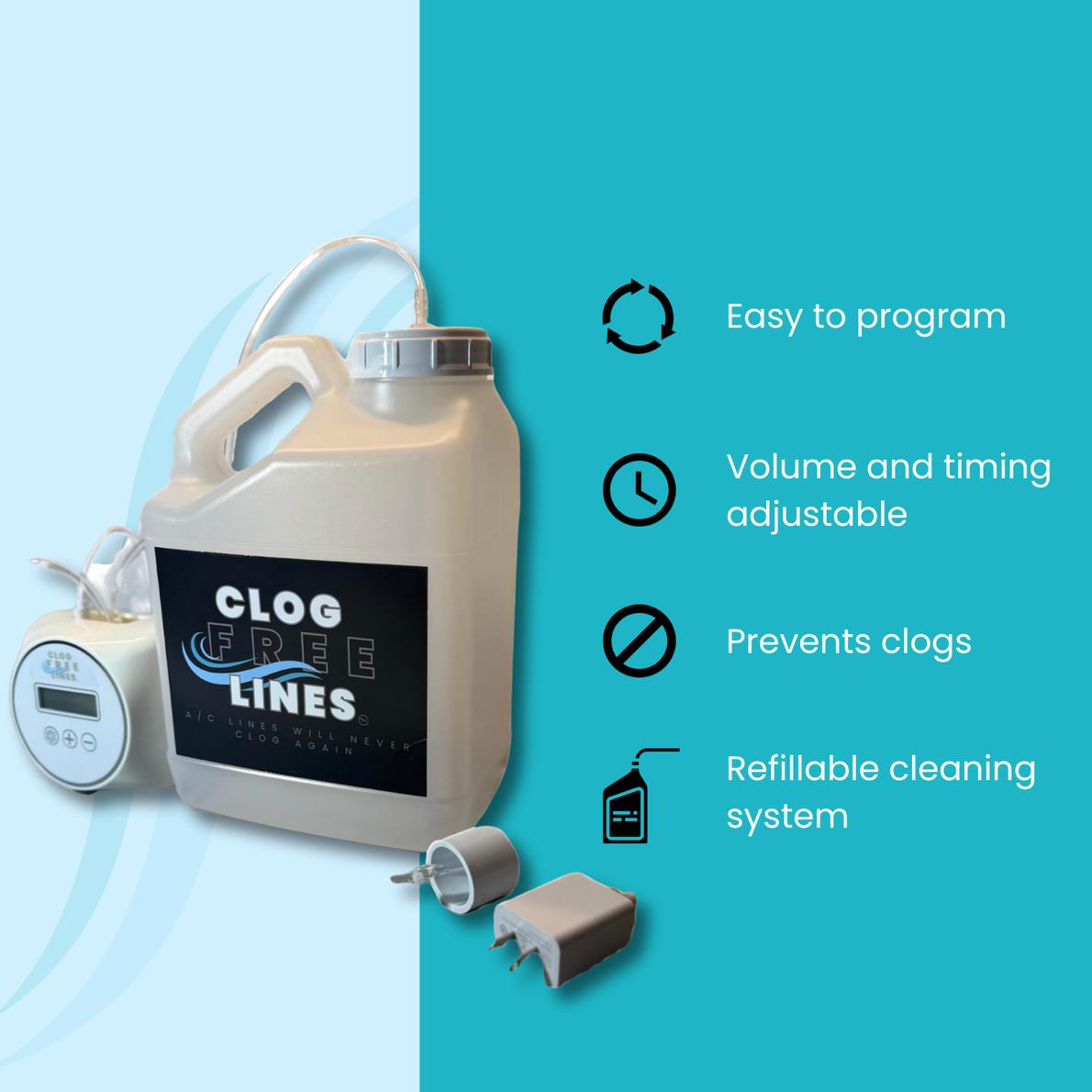
At Clog Free Lines, we understand that even well-intentioned renovations can disrupt your A/C system. That’s why we designed our automated A/C drain line cleaning system to prevent clogs, maintain proper water flow, and protect your home year-round. Our unit continuously monitors and clears the condensate line, reducing the need for manual maintenance and keeping your system running efficiently, even during or after home renovations.
With our system installed, you can enjoy your newly updated space without worrying about hidden water buildup, odors, or emergency service calls. It’s an easy, reliable way to protect both your home and your HVAC system from the unseen impacts of remodeling.
Take the stress out of home renovations; let us help you maintain clean drain lines and a healthy, efficient A/C system. Contact us today.